+255 618 438 540
+255 618 438 540
info@echelonsafaris.com

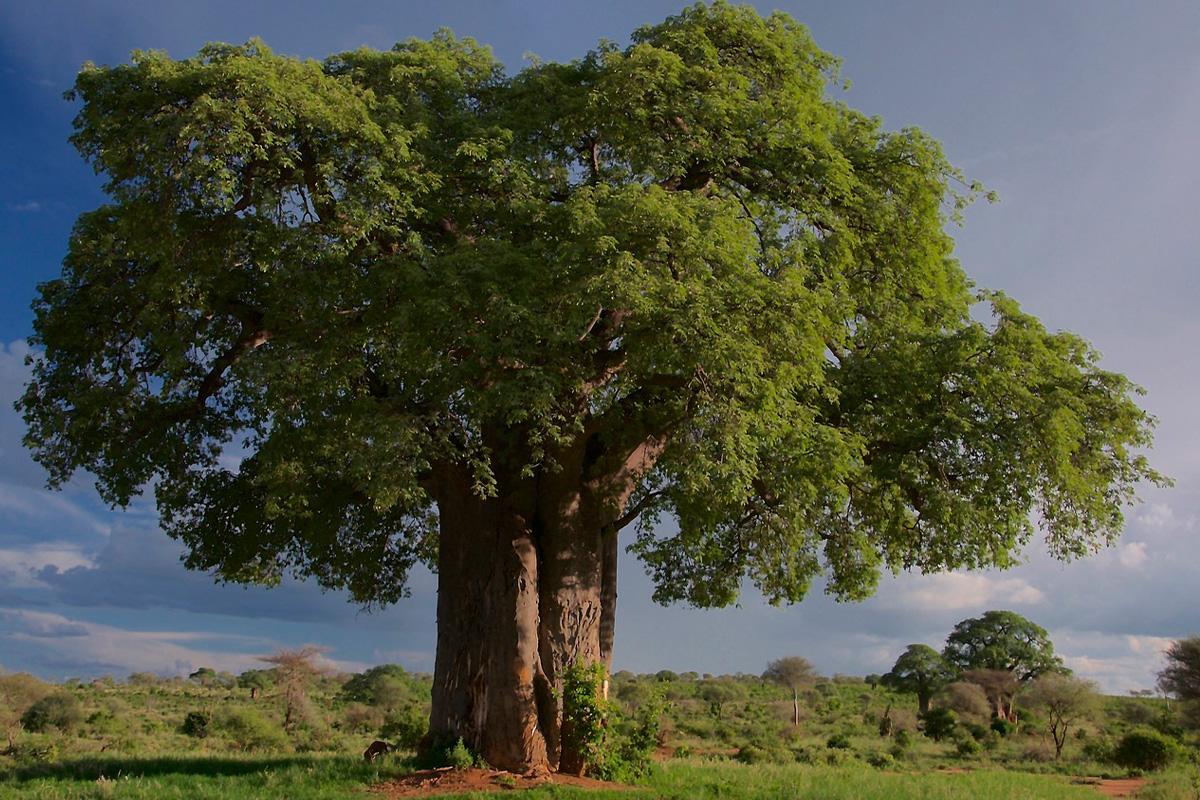
Discover Tanzania's elephant capital and land of ancient baobab trees
Tarangire National Park, covering 2,850 square kilometers in Northern Tanzania, is named after the Tarangire River that flows through it. This river is the park's lifeline, attracting massive herds of elephants and other wildlife during the dry season.
Known for its iconic baobab trees that dot the landscape, Tarangire offers some of Tanzania's best elephant viewing. The park boasts the highest density of elephants in Tanzania, with herds sometimes numbering 300+ animals. Unlike other parks, Tarangire's wildlife viewing is exceptional year-round due to the permanent water source.
Home to Tanzania's largest population of elephants with herds sometimes exceeding 300 animals.
Ancient baobab trees up to 2,000 years old create a surreal landscape unlike any other park.
Permanent water from the Tarangire River supports wildlife throughout the year.
Located 118km southwest of Arusha, adjacent to Lake Manyara National Park.
Ranges from 1,000m to 1,500m above sea level with diverse habitats.
Warm days (27-32°C) and mild nights. Distinct wet (Nov-May) and dry (Jun-Oct) seasons.
Originally a game reserve in 1957, upgraded to national park status in 1970.
Dry season when wildlife concentrates around the Tarangire River.
Discover the incredible biodiversity and unique features of Tarangire National Park
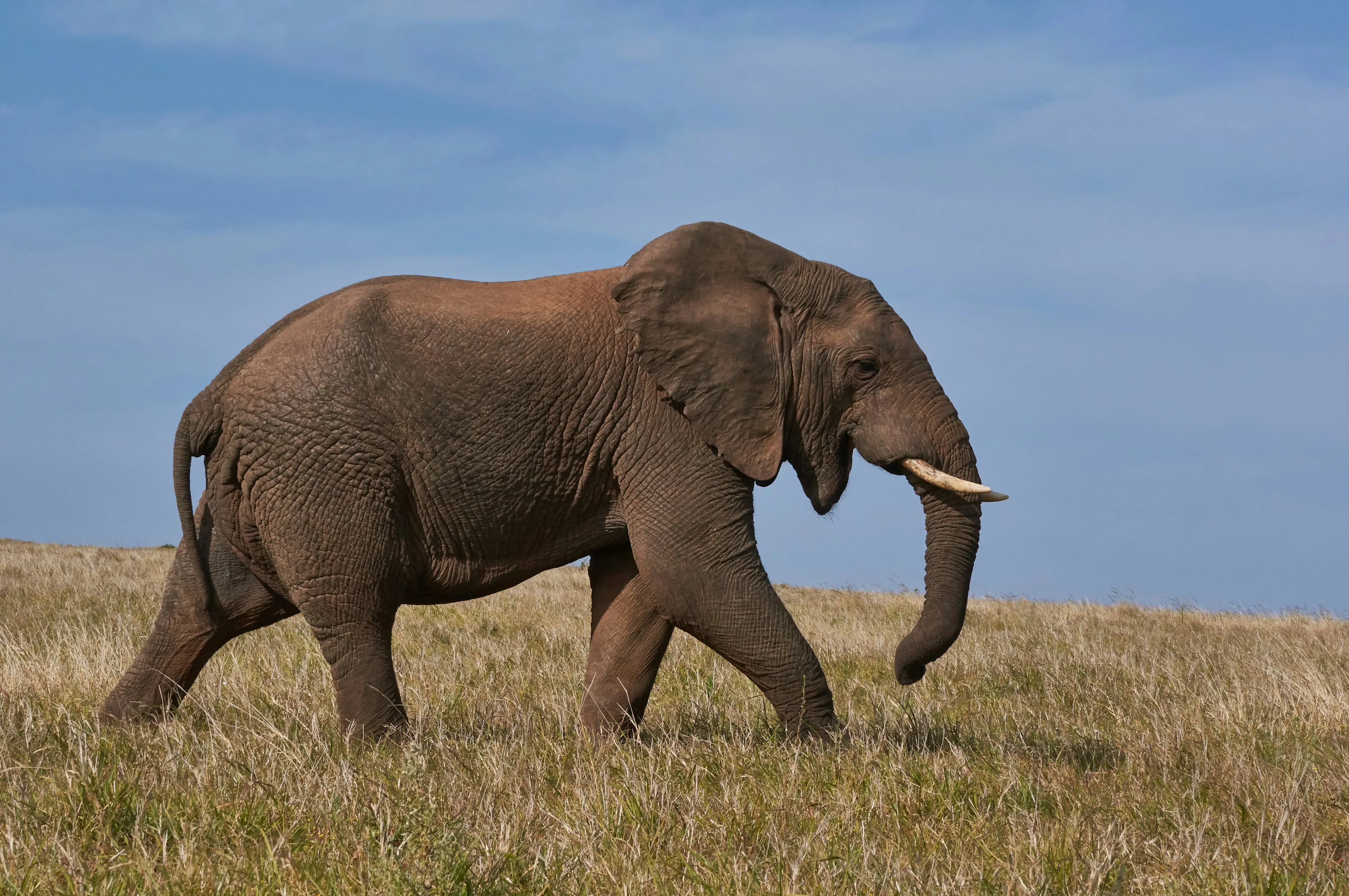
Tarangire is famous for its massive elephant herds, sometimes numbering 300+ animals. Witness elephants of all ages, from tiny calves to massive bulls with huge tusks. The dry season brings incredible elephant concentrations along the Tarangire River.
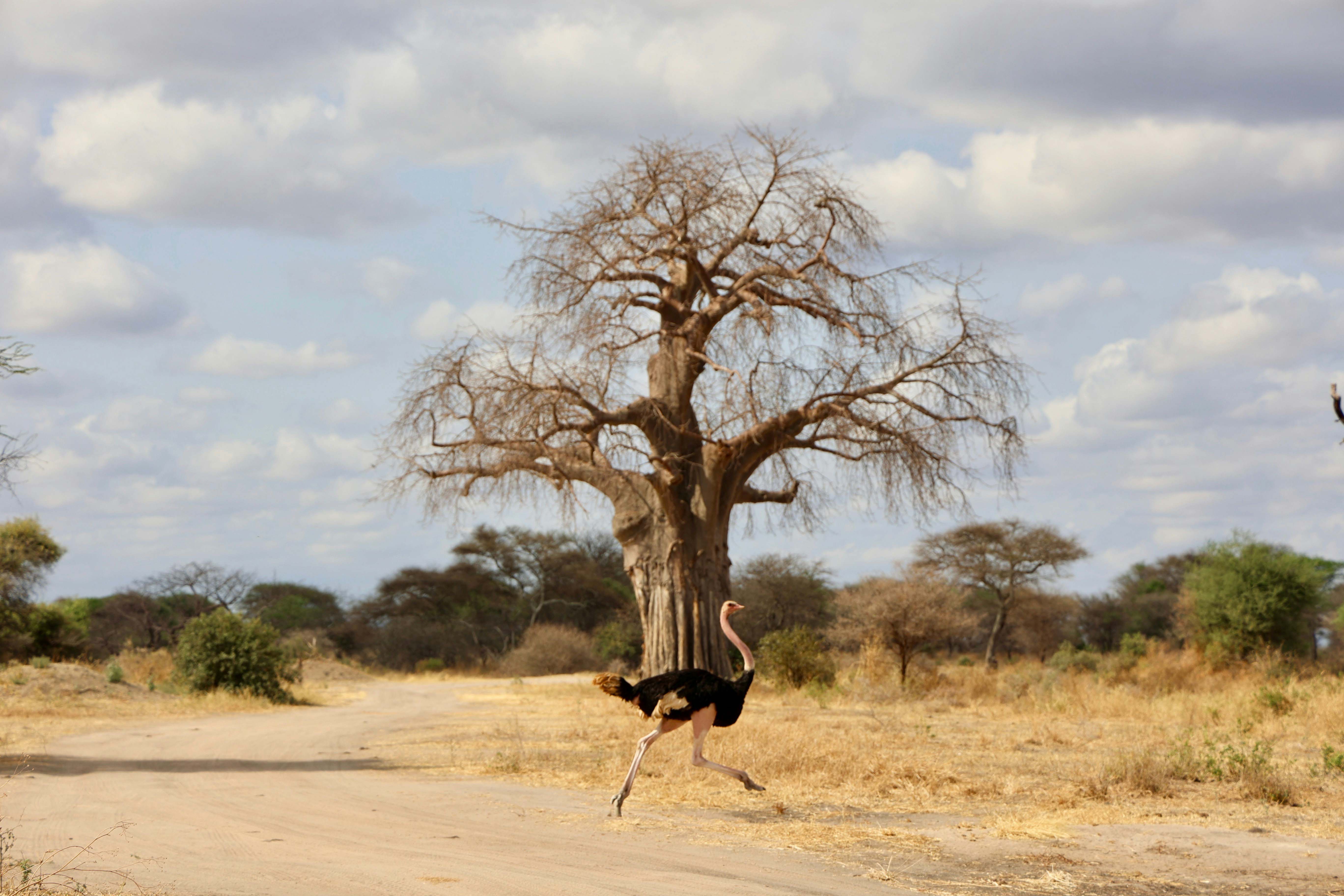
The park's landscape is dominated by ancient baobab trees, some over 2,000 years old. These "upside-down trees" create a surreal and photogenic landscape. Baobabs store water in their massive trunks and are vital to the ecosystem.
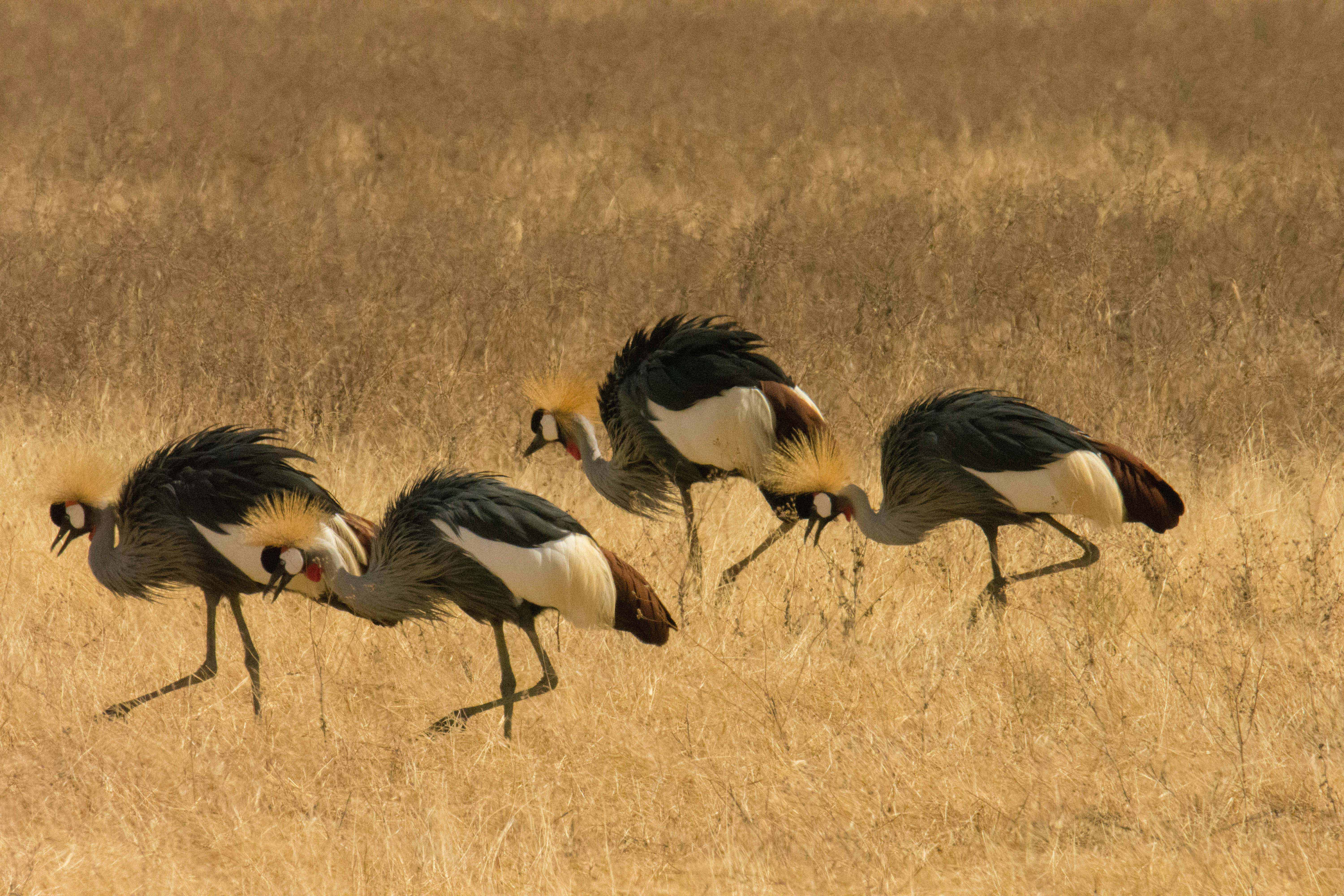
With over 550 bird species, Tarangire is one of Africa's premier birding destinations. From the massive kori bustard (heaviest flying bird) to colorful bee-eaters and raptors. The swamps and riverine forests support diverse avian life.
Largest population in Tanzania with herds of 300+. Best viewing along Tarangire River.
Iconic trees up to 2,000 years old. Vital water sources for wildlife during dry season.
World's heaviest flying bird. Common in open grasslands and acacia woodlands.
Rare but present. Lions occasionally climb trees to escape heat and insects.
Tarangire's wildlife viewing changes dramatically with the seasons
The park's most dramatic season. As other areas dry up, wildlife concentrates around the Tarangire River and remaining water sources. Elephant herds number in the hundreds. Excellent predator sightings as prey is concentrated. Best time for general wildlife viewing and photography.
The "short rains" begin, turning the landscape green. Wildlife disperses as water becomes available throughout the park. Excellent birdwatching with migratory species arriving. Fewer tourists mean more exclusive safari experiences. Beautiful green landscapes with dramatic skies.
Many antelope species give birth during this period. Predator activity increases with vulnerable young available. The landscape remains green from the rains. Wildlife is more dispersed but still abundant. Pleasant temperatures with occasional showers.
The "long rains" period with heavier rainfall. The park is at its greenest and most beautiful. Some roads may become challenging. Very few tourists - exclusive safari experiences. Excellent for birdwatchers and photographers who don't mind rain. Accommodation rates are lowest.
Plan your Tarangire safari based on your wildlife interests and preferences
The dry season brings incredible wildlife concentrations along the Tarangire River. Elephant herds number in the hundreds, and predator sightings are excellent as prey is concentrated around limited water sources.
The wet seasons bring migratory birds and excellent birdwatching opportunities. Over 550 species can be seen, including many colorful migrants. The landscape is green and beautiful.
The "long rains" period offers lush green landscapes, dramatic skies, and few tourists. Accommodation rates are at their lowest. Perfect for photographers seeking moody landscapes and exclusive experiences.
For first-time visitors wanting the classic Tarangire experience with massive elephant herds, we recommend July to September. For photographers and birdwatchers, November to April offers incredible opportunities with fewer crowds.
