
+255 618 438 540
+255 618 438 540
info@echelonsafaris.com
Discover Africa's most famous wildlife sanctuary and UNESCO World Heritage Site
Serengeti National Park, spanning 14,750 square kilometers of pristine African wilderness, is the stage for the world's greatest wildlife spectacle - the Great Migration. The name "Serengeti" comes from the Maasai word "Siringet" meaning "endless plains".
This iconic park is home to the largest terrestrial mammal migration on Earth, where over 1.5 million wildebeest, 200,000 zebra, and 300,000 Thomson's gazelle make a circular journey through the Serengeti-Mara ecosystem in search of fresh grazing and water.
Home to all Big Five animals: lion, leopard, elephant, buffalo, and black rhino.
Witness the annual movement of millions of animals across the plains.
From grassy plains to riverine forests and kopjes (rock outcrops).
Borders Kenya's Maasai Mara and adjacent to Ngorongoro Conservation Area.
Ranges from 920m to 1,850m above sea level with diverse topography.
Warm days (25-30°C) and cool nights. Short rains Nov-Dec, long rains Mar-May.
Designated as a UNESCO World Heritage Site in 1981 for its ecological significance.
Dry season (Jun-Oct) for migration, wet season (Nov-May) for birding and fewer crowds.
Discover the incredible biodiversity and key attractions of Serengeti National Park

Serengeti is one of the few places where you can see all Big Five animals. Large prides of lions, elusive leopards in acacia trees, massive elephant herds, buffalo herds, and the endangered black rhino.
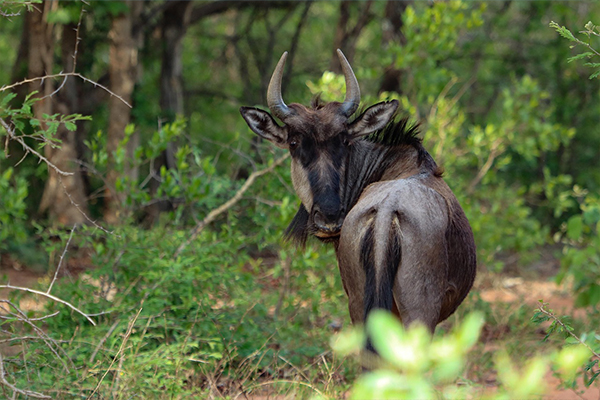
Witness the world's largest animal migration. Over 2 million animals travel in a clockwise circuit through the Serengeti-Mara ecosystem, following the rains and fresh grazing.
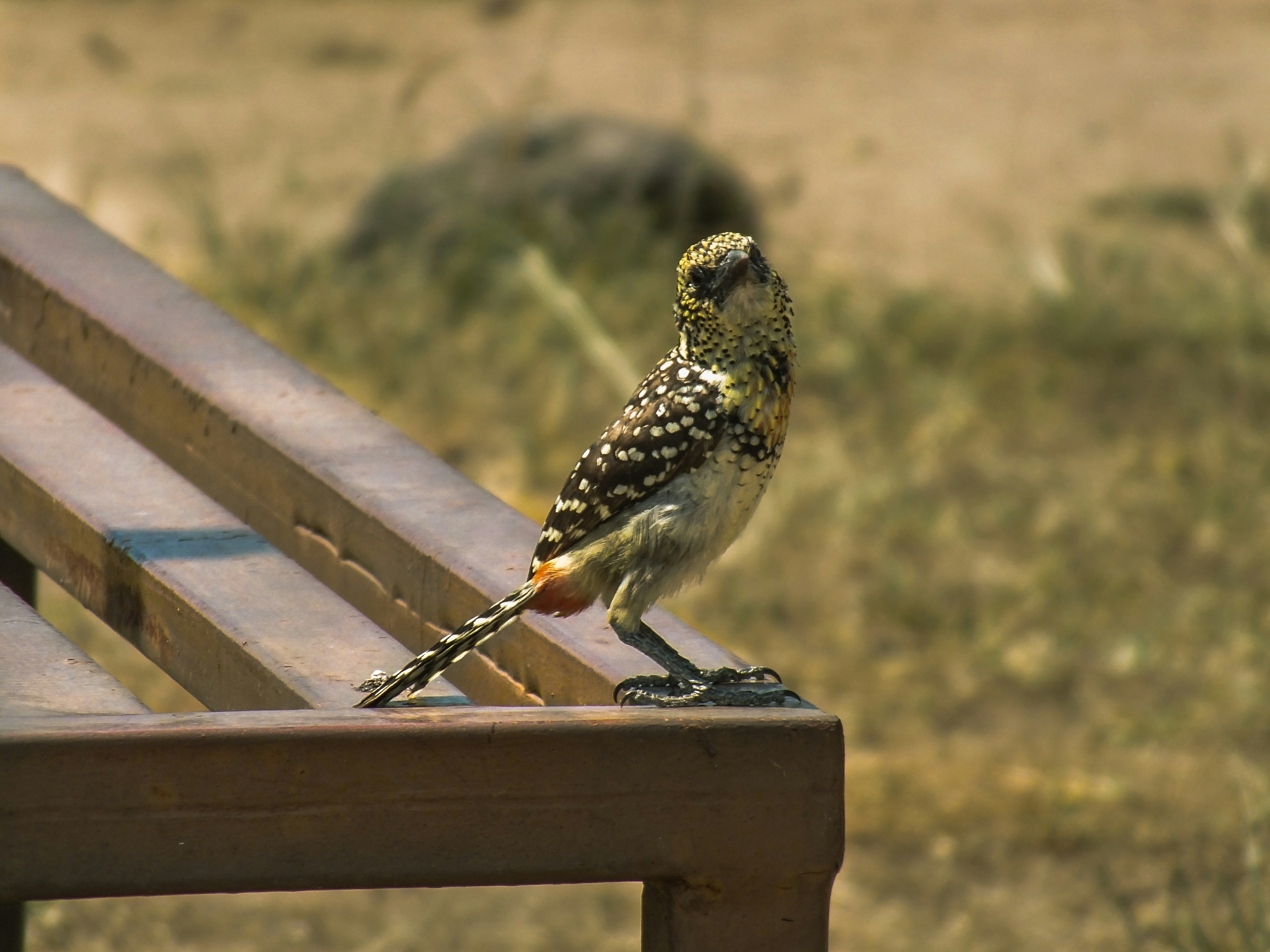
With over 500 bird species, Serengeti is a birdwatcher's paradise. From large ostriches and secretary birds to colorful rollers and raptors, the avian diversity is spectacular.
The heart of Serengeti with permanent water sources, making it a year-round wildlife haven. Best for leopard sightings.
Famous for massive crocodile populations and dramatic river crossings during the migration (May-July).
Ancient granite rock formations that provide habitat for lions, leopards, and the rare black rhino.
Northern Serengeti area with beautiful landscapes and excellent wildlife viewing away from crowds.
Track the movement of millions of animals through the Serengeti ecosystem
Migration herds gather in the Southern Serengeti and Ndutu area. Over 500,000 calves are born within 2-3 weeks. Predator action is intense with lions, cheetahs, and hyenas taking advantage.
As the plains dry up, herds begin moving northwest toward the Western Corridor. The long rains begin, turning the landscape green. This is the "Green Season" with fewer tourists.
The migration reaches the Western Corridor and faces the first major obstacle - the Grumeti River. Massive crocodiles await the crossing wildebeest. Dramatic river crossings occur.
The most famous spectacle - herds cross the Mara River into Kenya's Maasai Mara. Thousands of animals plunge into crocodile-infested waters. Peak tourist season with incredible photo opportunities.
With the short rains beginning, the herds start their journey back to the Southern Serengeti to complete the annual cycle. The circle of life continues as they return to calving grounds.
Plan your Serengeti safari based on your wildlife interests and preferences
The most popular time to visit. Wildlife congregates around water sources, making animals easier to spot. Grass is short, improving visibility. Mara River crossings occur (Aug-Oct).
Witness the birth of thousands of wildebeest calves. Predators are abundant taking advantage of vulnerable newborns. Southern Serengeti and Ndutu area are active.
The landscape is lush and green. Birdlife is spectacular with migratory birds present. Fewer tourists mean more exclusive experiences. Some roads may be challenging.
For first-time visitors seeking the Great Migration, we recommend August to October for Mara River crossings. For those wanting predator action and fewer crowds, January to March is ideal.
