+255 618 438 540
+255 618 438 540
info@echelonsafaris.com


Discover the world's largest intact volcanic caldera and UNESCO World Heritage Site
Ngorongoro Crater, formed 2-3 million years ago when a giant volcano exploded and collapsed, is the world's largest intact volcanic caldera. At 600 meters deep and covering 260 square kilometers, it creates a unique natural amphitheater that supports approximately 25,000 large animals.
Often called "Africa's Garden of Eden," the crater is a self-contained ecosystem where wildlife thrives year-round. The crater floor contains permanent water sources, grasslands, forests, and a large soda lake (Lake Magadi), creating diverse habitats that support an incredible density of wildlife.
World's largest intact volcanic caldera, formed 2-3 million years ago.
One of the best places in Tanzania to see the endangered black rhino.
Maasai people live in the Conservation Area, herding livestock alongside wildlife.
Part of Ngorongoro Conservation Area, between Serengeti and Lake Manyara.
Crater floor at 1,700m, rim at 2,200-2,400m above sea level.
Cool on rim (10-20°C), warmer on floor. Rainy seasons Mar-May & Nov-Dec.
Designated as a UNESCO World Heritage Site in 1979 for its natural significance.
Dry season (Jun-Oct) for visibility, wet season (Nov-May) for fewer crowds and green landscapes.
Discover the incredible biodiversity and unique features of Ngorongoro Crater
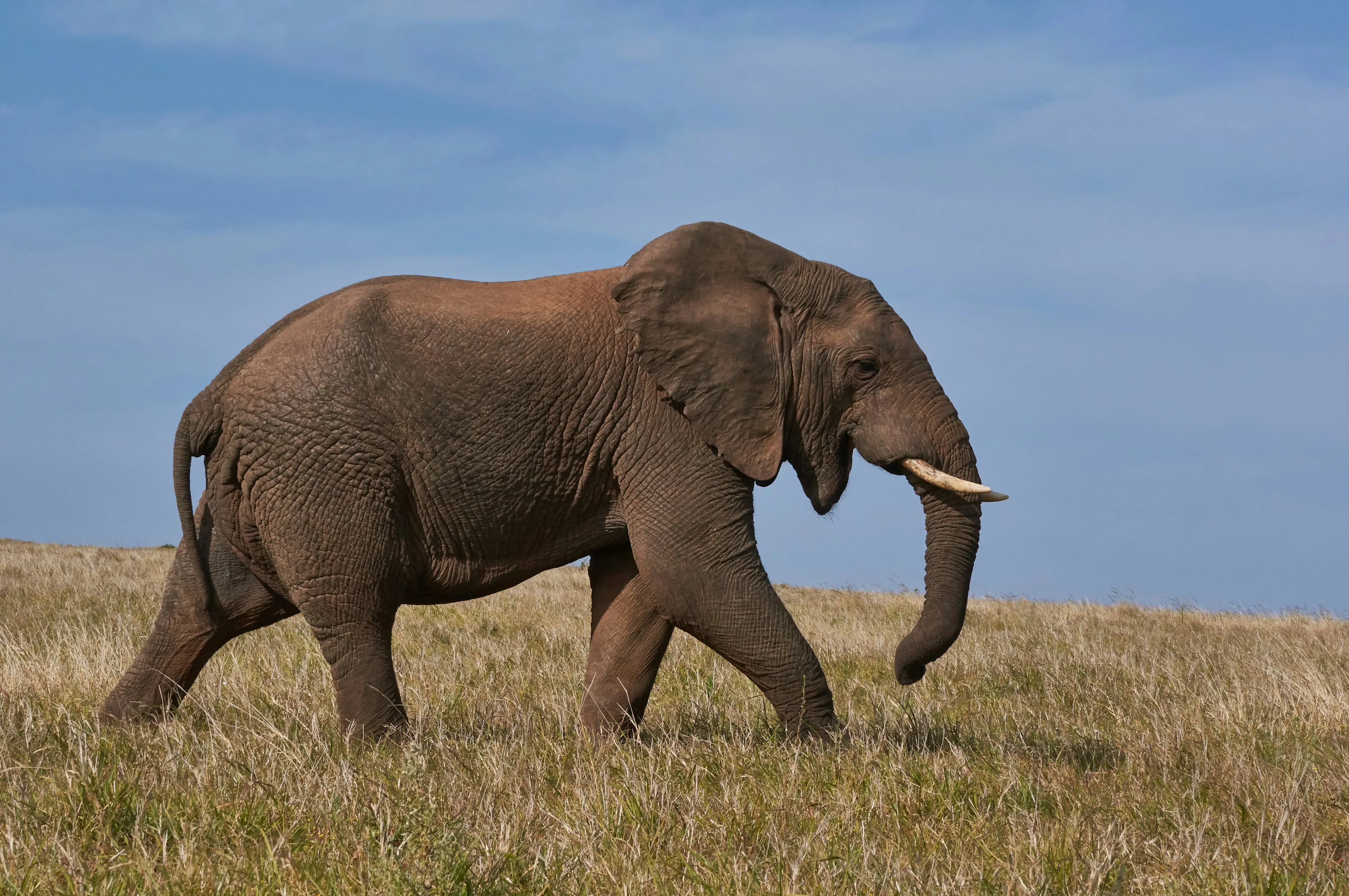
Ngorongoro Crater is one of the best places in Africa to see the Big Five in a single day. The crater's high walls create a natural enclosure that supports healthy populations of lions, elephants, buffalo, leopards, and the endangered black rhino.
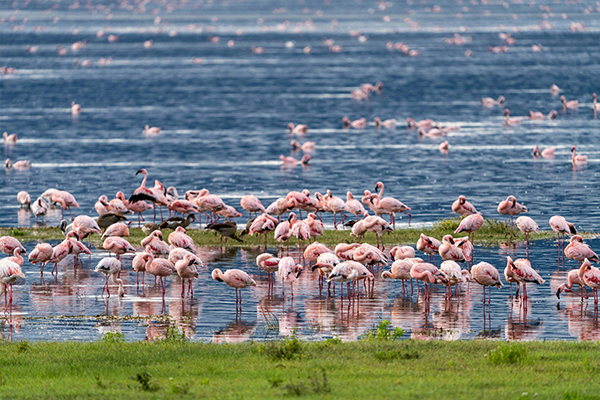
The large soda lake in the crater center attracts thousands of flamingos, especially during the wet season. The alkaline waters support crustaceans that flamingos feed on, creating spectacular pink vistas. Hippos can be seen in the freshwater pools around the lake.

The Ngorongoro Conservation Area is unique in allowing Maasai pastoralists to live alongside wildlife. Visit traditional Maasai villages (manyattas) to learn about their culture, traditions, and sustainable coexistence with the crater's ecosystem.
One of Tanzania's best places to see the endangered black rhino. Approximately 30 individuals live in the crater.
Famous for their large black manes. The crater supports about 60 lions in several prides with high visibility.
Thousands of lesser flamingos gather on Lake Magadi, especially during the wet season (Nov-May).
Large bull elephants with impressive tusks. Note: Breeding herds are mostly outside the crater.
What to expect when visiting this natural wonder
Game drives into the crater begin early (around 6:00-6:30 AM) to catch predators at their most active. The descent down the steep crater walls takes about 30-45 minutes, offering spectacular views. Morning light is ideal for photography as animals are active before the midday heat.
Spend 4-6 hours exploring the crater floor. Key stops include Lerai Forest (elephants and leopards), Lake Magadi (flamingos), Ngoitokitok Springs (hippo pools and picnic area), and the open grasslands where lions hunt. The compact size means you can see diverse habitats and wildlife in a single day.
The designated picnic area at Ngoitokitok Springs offers tables, toilets, and stunning views. Hippos can often be seen in the nearby pool. This is the only place where visitors are allowed to leave their vehicles. Afternoon game drives continue until the mandatory exit time (usually 6:00 PM).
All vehicles must exit the crater by sunset (exact time varies by season). The ascent offers different lighting conditions and photographic opportunities. Evening on the crater rim often features spectacular sunsets. Many lodges offer "sundowner" drinks with crater views.
Strictly enforced to protect the fragile ecosystem. All vehicles must stay on established tracks.
Vehicles must enter after 6:00 AM and exit by 6:00 PM (times vary slightly by season).
Maximum 6-hour stay on crater floor. Limited number of vehicles allowed daily.
Plan your Ngorongoro Crater visit based on wildlife viewing and weather conditions
Grass is short, making wildlife easier to spot. Animals congregate around water sources. Clear skies with minimal rain. Peak tourist season - book accommodations well in advance. Cooler temperatures on the crater rim.
Wildebeest and zebra calving season brings increased predator activity. The crater is green and beautiful after short rains. Migratory birds present. Fewer crowds than peak season. Occasional afternoon showers.
Heavy rains, lush green landscapes. Some roads may be challenging. Very few tourists - exclusive experience. Accommodation rates at their lowest. Excellent for birdwatching and photography without crowds.
For optimal wildlife viewing with good weather, we recommend July to September. For those wanting fewer crowds and green landscapes, January to March offers excellent value with predator action during calving season.
