
+255 618 438 540
+255 618 438 540
info@echelonsafaris.com

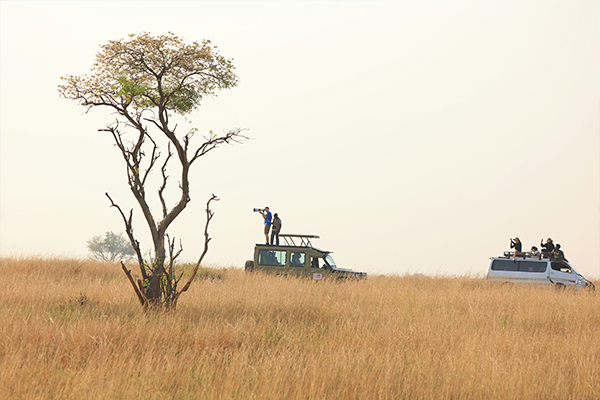
Discover Tanzania's accessible wilderness gem with excellent wildlife viewing year-round
Mikumi National Park, covering 3,230 square kilometers, is Tanzania's fourth largest national park and the most accessible from Dar es Salaam. Often called the "Serengeti in miniature," Mikumi features similar savannah landscapes with acacia woodlands, baobab trees, and the Mkata floodplain which resembles the Serengeti plains.
The park is part of the larger Selous ecosystem, one of Africa's largest conservation areas. Mikumi offers excellent wildlife viewing without the crowds of the northern parks, making it an ideal destination for those with limited time or wanting a more relaxed safari experience. The park is well-known for its large herds of buffalo, elephants, and giraffes.
Just 4-5 hours drive from Dar es Salaam, making it perfect for short safaris.
Less visited than northern parks, offering a more exclusive safari experience.
Excellent wildlife viewing throughout the year with resident populations.
Located 283km west of Dar es Salaam, near Morogoro town, adjacent to Selous Game Reserve.
Ranges from 500m to 1,250m above sea level with diverse habitats.
Hot days (25-35°C) and mild nights. Short rains Nov-Dec, long rains Mar-May.
Originally established in 1964 to protect the wildlife of the Mkata floodplain.
Dry season when animals concentrate around water sources and grass is short.
Discover the incredible biodiversity and key attractions of Mikumi National Park
Mikumi is excellent for big cat sightings, particularly lions which are frequently seen on the Mkata floodplain. Leopards are present but more elusive. The park also hosts healthy populations of spotted hyenas and wild dogs (though less common). Lions are often seen hunting buffalo or resting in the shade.
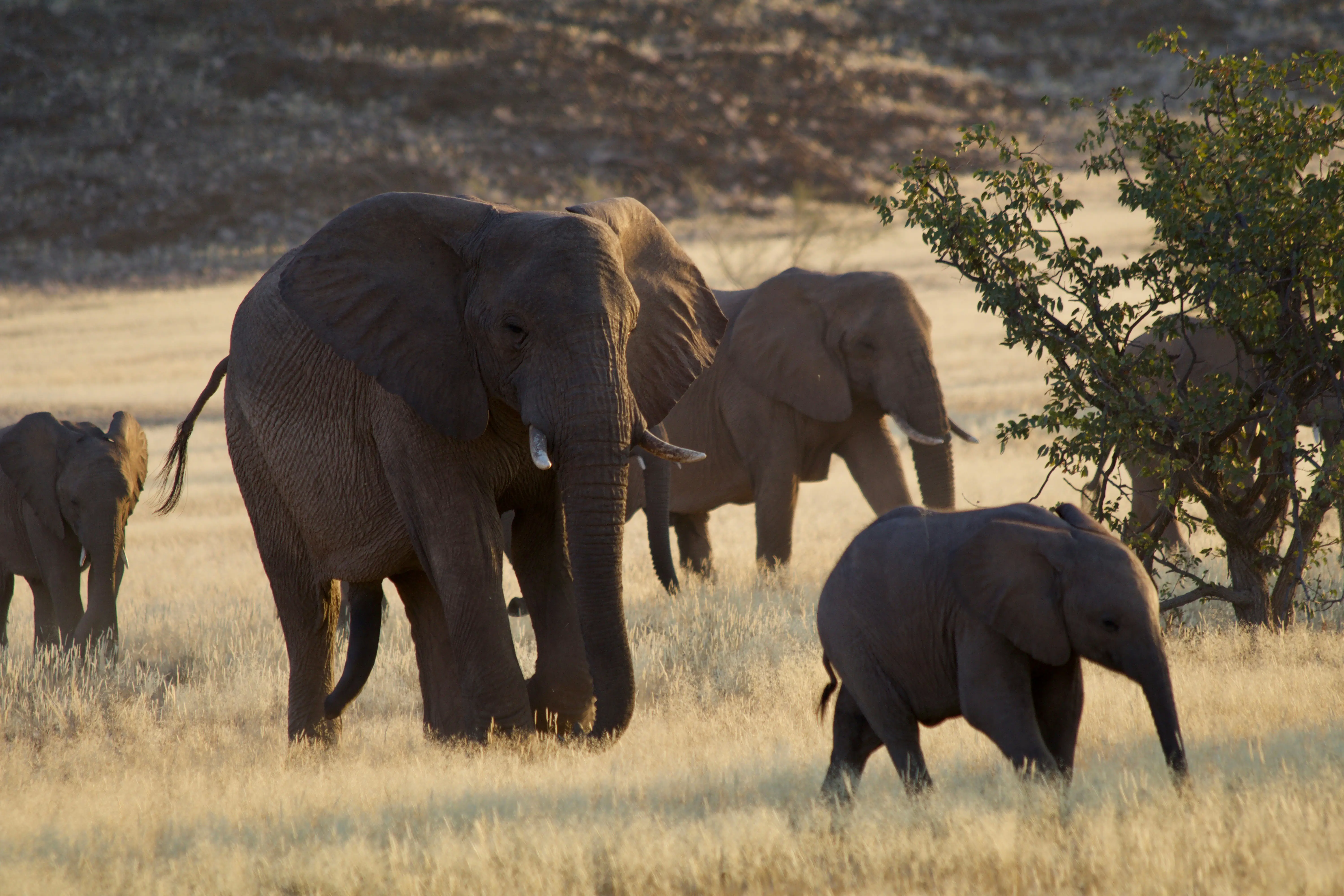
Mikumi hosts large herds of elephants, particularly in the northern hills area. Buffalo herds can number in the hundreds, creating impressive spectacles on the floodplain. Giraffes are also common, with both Maasai and reticulated giraffe subspecies present. Hippos are found in the park's waterholes and along the Mkata River.

With over 400 bird species, Mikumi offers excellent birdwatching. The park is particularly good for raptors, with bateleur eagles, martial eagles, and various vulture species commonly seen. Seasonal migrants arrive during the wet season. The yellow-throated longclaw, a grassland specialist, is commonly seen on the floodplain.
Frequently seen on the Mkata floodplain, often hunting buffalo or resting in the shade.
Large herds, particularly in the northern hills, with some impressive tuskers.
Massive herds numbering in the hundreds, creating impressive spectacles.
Several hippo pools along the Mkata River, best viewed in the dry season.
Mikumi's wildlife viewing changes with the seasons, each offering unique experiences
The best time for wildlife viewing in Mikumi. Animals congregate around remaining water sources, making them easier to spot. Grass is short, improving visibility. The Mkata floodplain is particularly productive with large herds of buffalo, elephants, and frequent lion sightings. Daytime temperatures are pleasant, and rain is unlikely.
The "short rains" begin, transforming the landscape to lush green. Animals disperse as water becomes available throughout the park. Excellent birdwatching with migratory species arriving. The park is less crowded with tourists. Baby animals are born, and the scenery is at its most beautiful with dramatic skies and green vegetation.
Many herbivores give birth during this period, taking advantage of the fresh green grass. Predator activity increases with vulnerable young available. The weather is generally pleasant with warm days and occasional showers. Birdwatching remains excellent with both resident and migratory species present. Fewer tourists mean more exclusive experiences.
The "long rains" period with heavier rainfall. The park is at its greenest and most beautiful. Very few tourists - exclusive safari experiences. Some roads may become challenging. Birdlife is spectacular. Accommodation rates are at their lowest, offering excellent value. Wildlife viewing is still good, though animals are more dispersed.
Plan your Mikumi safari based on your wildlife interests and preferences
The dry season offers the best overall wildlife viewing. Animals are concentrated around water sources, making them easier to spot. Grass is short, improving visibility. Lions are frequently seen on the Mkata floodplain. This is the peak tourist season with the most reliable wildlife sightings.
The wet seasons bring migratory birds from Europe and northern Africa. Over 400 species can be seen, including many colorful migrants. The landscape is green and beautiful, with plenty of water sources supporting diverse birdlife. Resident birds are in breeding plumage.
The "long rains" period offers lush green landscapes, dramatic skies, and very few tourists. Accommodation rates are at their lowest. Perfect for photographers seeking moody landscapes and exclusive experiences without crowds. Wildlife viewing is still good, though animals are more dispersed.
For first-time visitors wanting the best wildlife viewing, we recommend July to September. For birdwatchers and those wanting lush scenery, November to February is ideal. For budget travelers and photographers, March to May offers excellent value.
