+255 618 438 540
+255 618 438 540
info@echelonsafaris.com

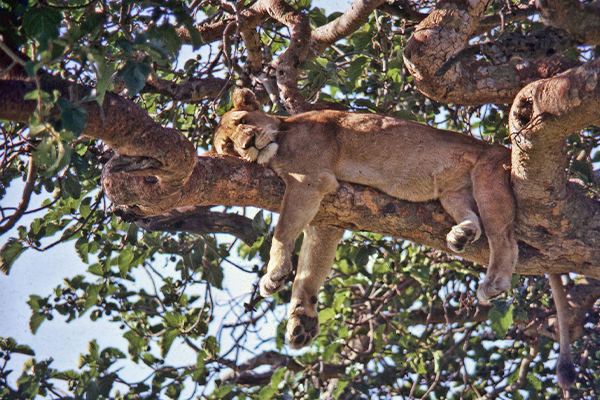
Discover Tanzania's compact gem with incredible biodiversity and famous tree-climbing lions
Lake Manyara National Park, covering just 330 square kilometers, packs an incredible variety of habitats and wildlife into a small area. From the alkaline lake that gives the park its name to the groundwater forest, grassy plains, and hot springs, this park offers remarkable diversity.
The park is most famous for its tree-climbing lions, a behavior rarely seen elsewhere in Africa. During the dry season, the lake attracts thousands of flamingos, creating a spectacular pink shoreline. Despite its small size, Lake Manyara hosts large elephant herds, troops of baboons, and over 400 bird species.
One of the few places in Africa where lions regularly climb and rest in trees.
Thousands of flamingos create a pink shoreline along the alkaline lake.
Lush forest sustained by groundwater, home to blue monkeys and bushbuck.
Located 126km west of Arusha, along the Great Rift Valley escarpment.
Ranges from 960m at the lake to 1,828m at the escarpment edge.
Temperate climate with warm days (22-28°C) and cool nights. Two rainy seasons.
Originally established as a game reserve in 1957, became a national park in 1960.
Dry season (Jun-Oct) for general wildlife, wet season (Nov-May) for birds and lush scenery.
Discover the incredible biodiversity and unique features of Lake Manyara National Park
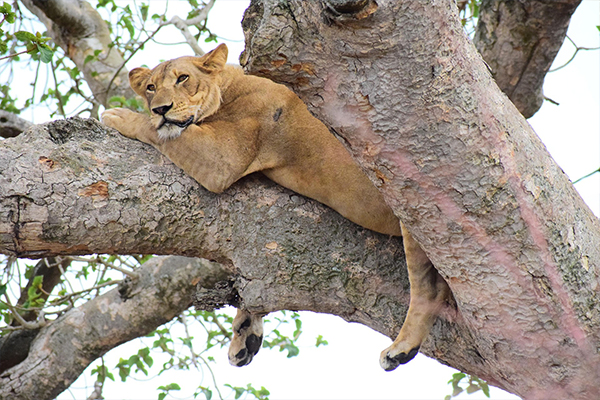
Lake Manyara is world-famous for its tree-climbing lions, a rare behavior seen in few places in Africa. These lions climb acacia and fig trees to escape heat, insects, and to get a better vantage point for hunting. Seeing lions lounging in trees is a unique safari experience.
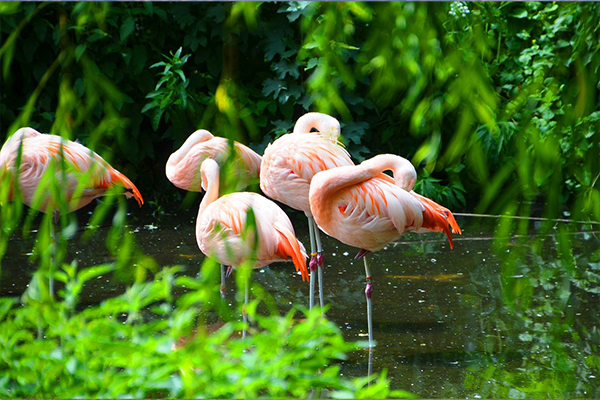
The alkaline Lake Manyara attracts thousands of lesser flamingos, especially during the dry season. The pink shoreline against the backdrop of the Rift Valley escarpment creates one of Africa's most photogenic scenes. The lake also hosts pelicans, storks, and many other waterbirds.
This lush, green forest is sustained by groundwater from the escarpment. It's home to troops of baboons, blue monkeys, bushbuck, and elephants. The forest creates a cool, shaded environment contrasting with the open grasslands and alkaline lake.
Famous for lions that climb and rest in acacia trees, especially in the afternoon.
Thousands of flamingos, pelicans, storks, and other waterbirds at the alkaline lake.
Substantial elephant populations with some impressive tuskers in the woodland areas.
Large troops of olive baboons, sometimes numbering over 200 individuals.
Lake Manyara's wildlife viewing changes with the seasons, each offering unique experiences
The best time for general wildlife viewing. Animals congregate around remaining water sources. The lake's water level drops, concentrating flamingos and other waterbirds. Tree-climbing lions are more easily spotted. Clear skies and minimal rain make for comfortable game drives.
The "short rains" begin, transforming the landscape to lush green. Migratory birds arrive from Europe and northern Africa. The park is less crowded with tourists. Baby animals are born, and the scenery is at its most beautiful with dramatic skies and green vegetation.
Many herbivores give birth during this period. Predator activity increases with vulnerable young available. The weather is generally pleasant with warm days and occasional showers. Birdwatching is excellent with both resident and migratory species present.
The "long rains" period with heavier rainfall. The park is at its greenest and most beautiful. Very few tourists - exclusive safari experiences. Some roads may become challenging. Birdlife is spectacular. Accommodation rates are at their lowest, offering excellent value.
Plan your Lake Manyara safari based on your wildlife interests and preferences
The dry season offers the best overall wildlife viewing. Animals are concentrated around water sources, making them easier to spot. Tree-climbing lions are more frequently seen. The lake attracts thousands of flamingos as other water sources dry up.
The wet seasons bring migratory birds from Europe and northern Africa. Over 400 species can be seen, including many colorful migrants. The landscape is green and beautiful, with plenty of water sources supporting diverse birdlife.
The "long rains" period offers lush green landscapes, dramatic skies, and very few tourists. Accommodation rates are at their lowest. Perfect for photographers seeking moody landscapes and exclusive experiences without crowds.
For first-time visitors wanting to see tree-climbing lions and general wildlife, we recommend July to September. For birdwatchers and photographers, November to April offers incredible opportunities with beautiful scenery.
